-


Heart & Sleep Tracking
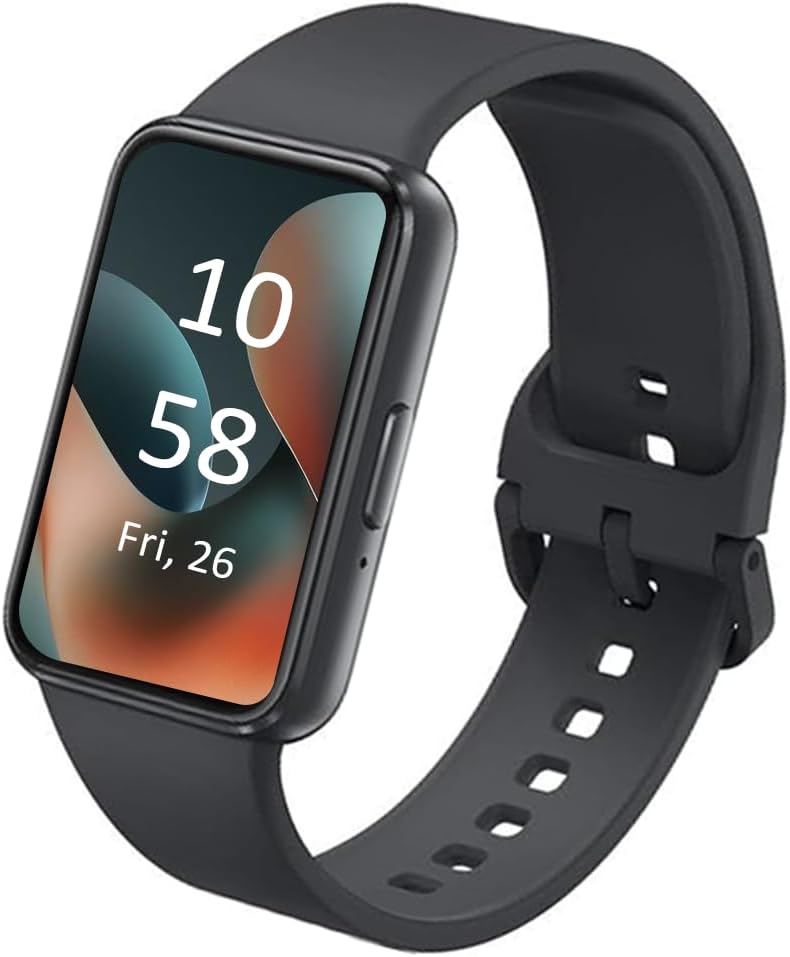
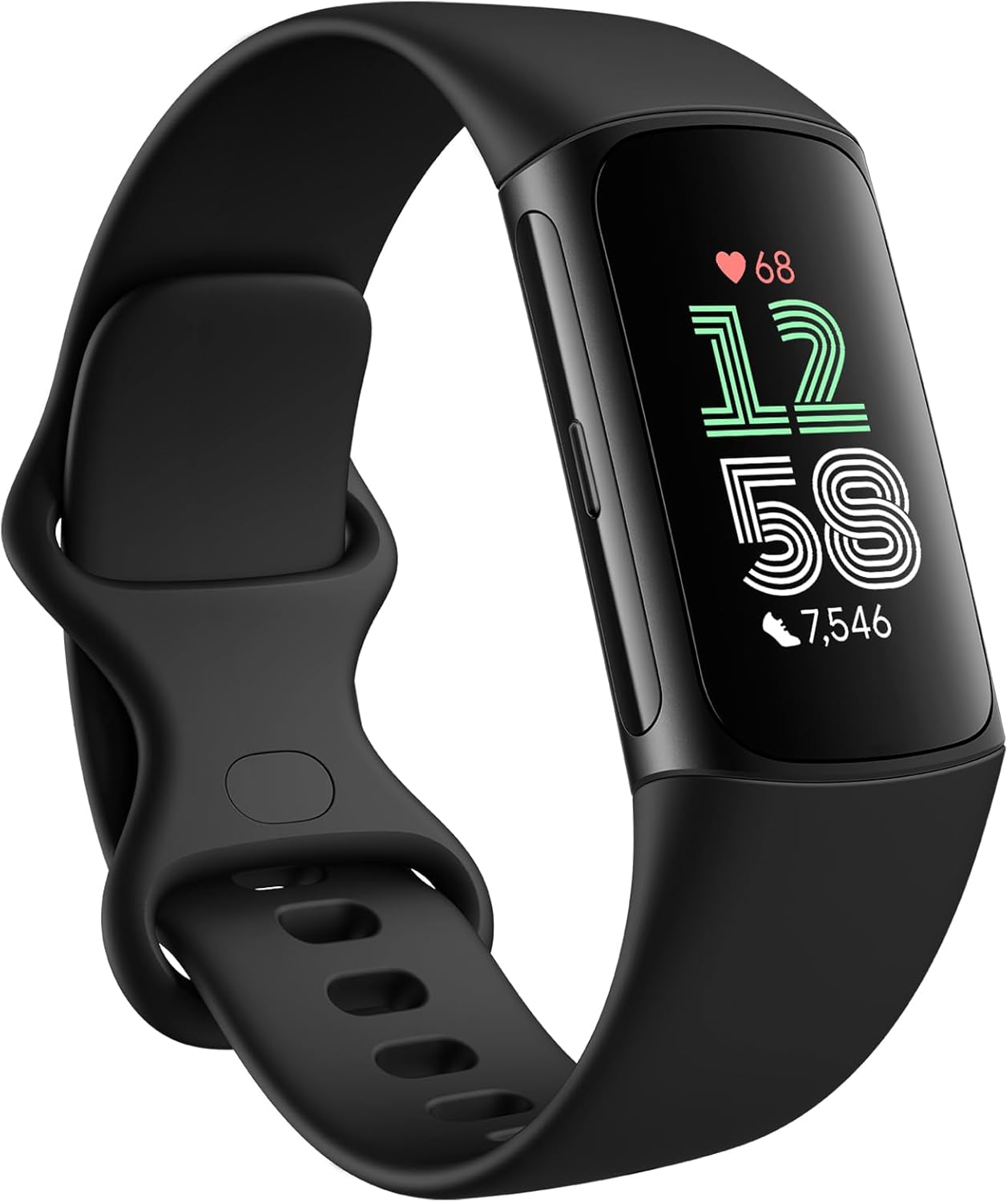
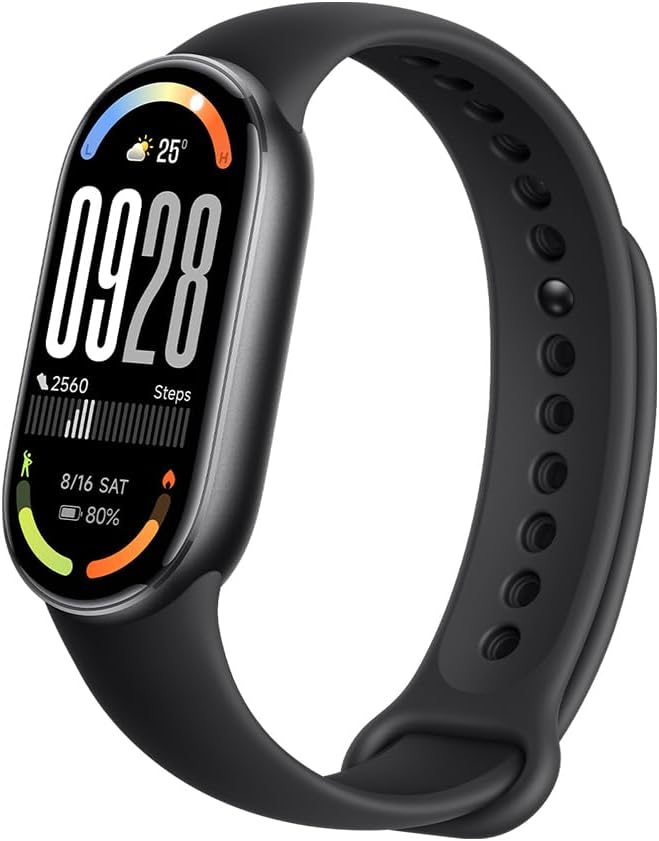
All three provide continuous heart rate monitoring and sleep analysis. Fitbit delivers the most advanced ecosystem tools and reporting depth. Xiaomi and Samsung focus on practical daily insights with simpler data presentation.
-

Battery Life
Xiaomi offers the longest battery life for up to 21 days. Samsung provides up to 14 days under normal use. Fitbit prioritizes advanced features, resulting in shorter battery endurance.
-

Smart Features
Fitbit includes Google app integration and built-in GPS. Samsung emphasizes workout variety and device compatibility. Xiaomi focuses on core health metrics with fewer connected features.
-

Features & Functionality
If advanced tracking metrics and built-in GPS are essential, Fitbit provides the broadest feature set. If long battery life and bright outdoor readability matter more, Xiaomi stands out. If you want a balance between workout tracking and health tools, Samsung offers solid mid-tier functionality.
-

Ease of Use & Compatibility
All three pair easily with Android and iOS devices, though Fitbit and Samsung integrate more deeply within their own ecosystems. Xiaomi relies on its companion app and may require additional app syncing for certain unit preferences. Setup is straightforward across all models.
-

Price & Value
Xiaomi sits in the most accessible price tier with strong battery performance. Samsung positions slightly higher while adding workout variety and water resistance features. Fitbit sits in the premium band tier, offering expanded health tools and Google services integration.