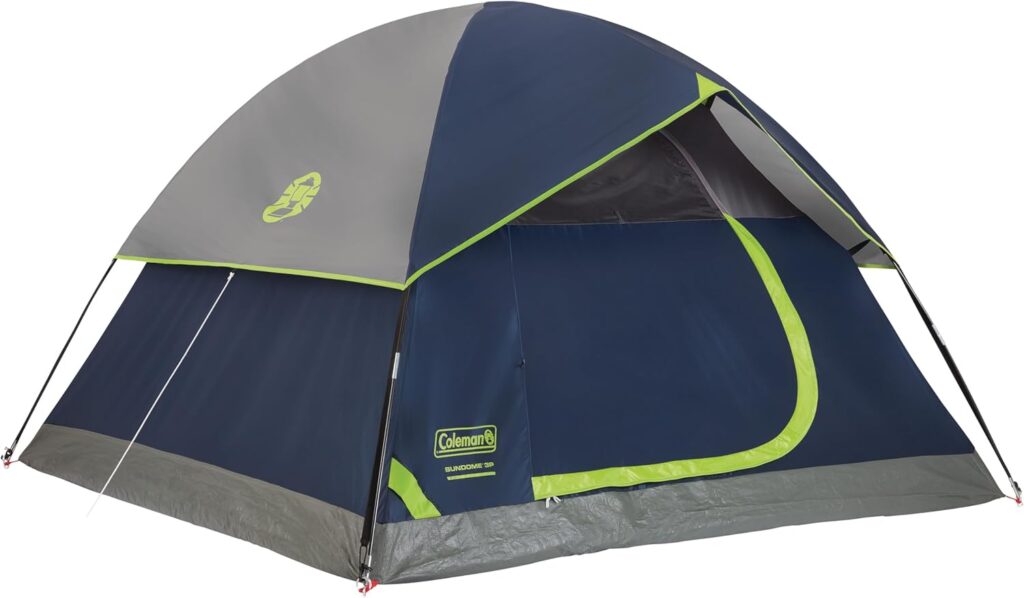
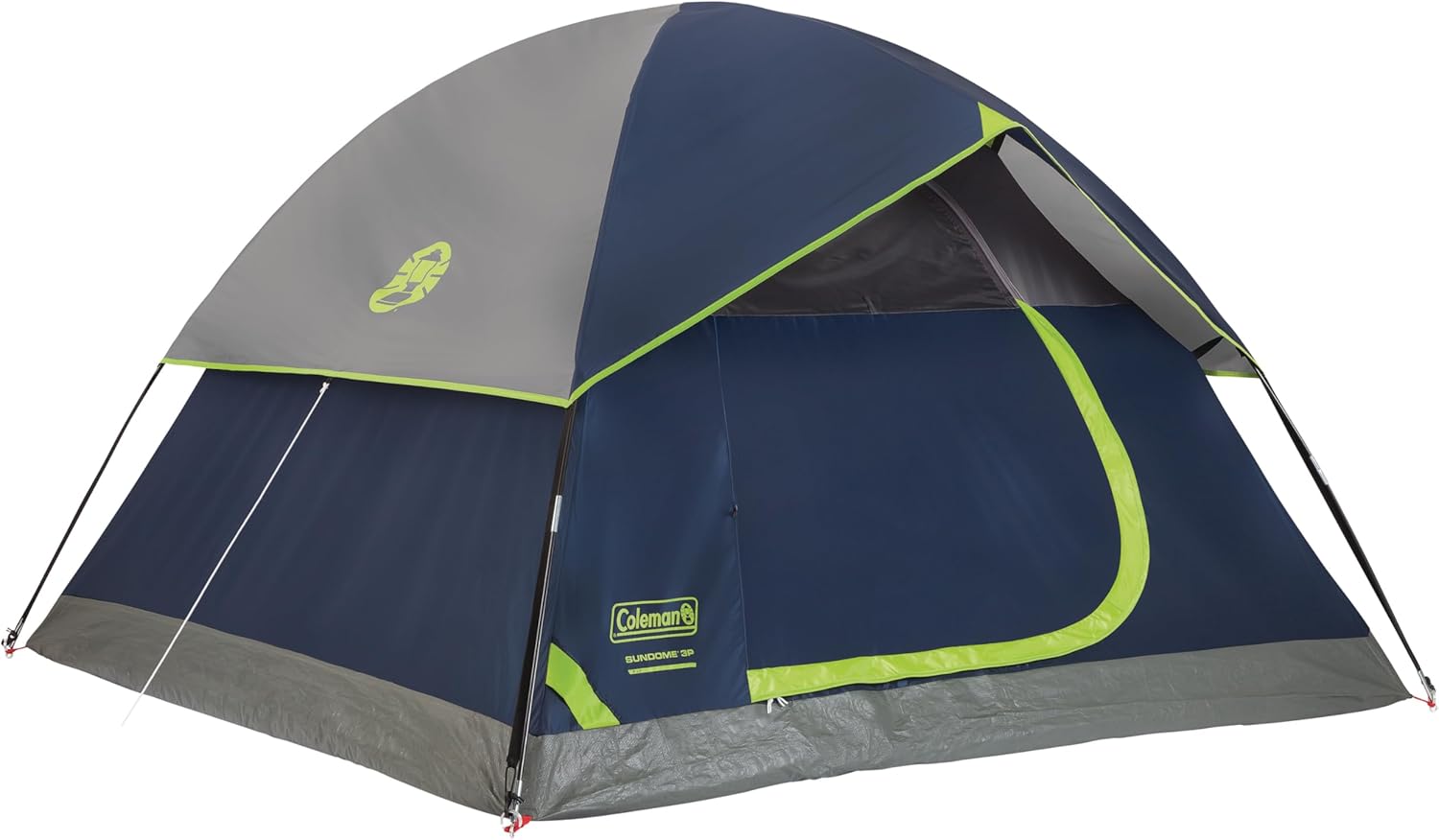

The Coleman Sundome offers a 9 by 7 foot interior with enough room for a queen size air bed and a center height of nearly five feet. Its rainfly, strong frame, large windows and ground vent help provide weather protection and airflow. Setup takes around ten minutes and the built in E Port allows an electrical cable to be brought inside.
This tent suits couples, small families and casual campers who want a practical shelter for campsites, festivals or backyard stays.
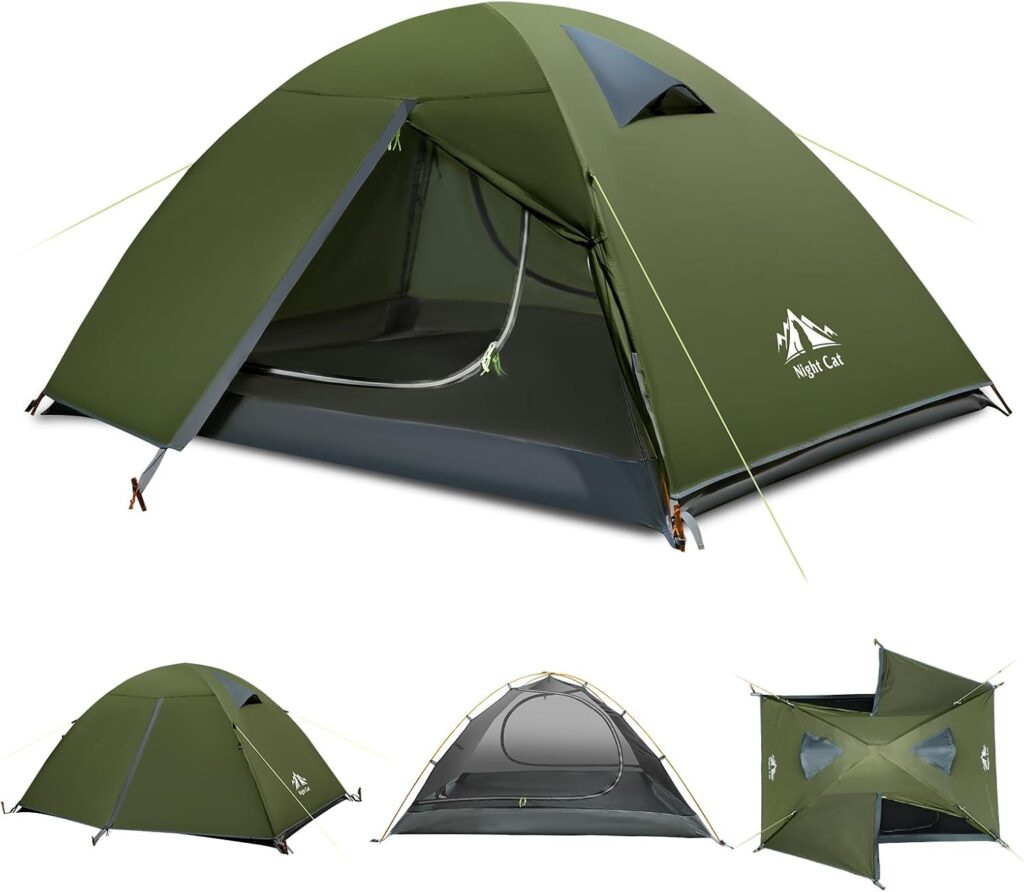
The Night Cat tent weighs 4.4 pounds and uses two aluminum poles for a setup time of around three minutes. A full coverage rainfly, waterproof floor and seam taped construction provide protection in rain while two vestibules offer space for bags and shoes. Mesh walls, ceiling vents and two doors help improve ventilation and access.
This tent suits couples, friends and backpackers who need a lightweight shelter for hiking and overnight trips.
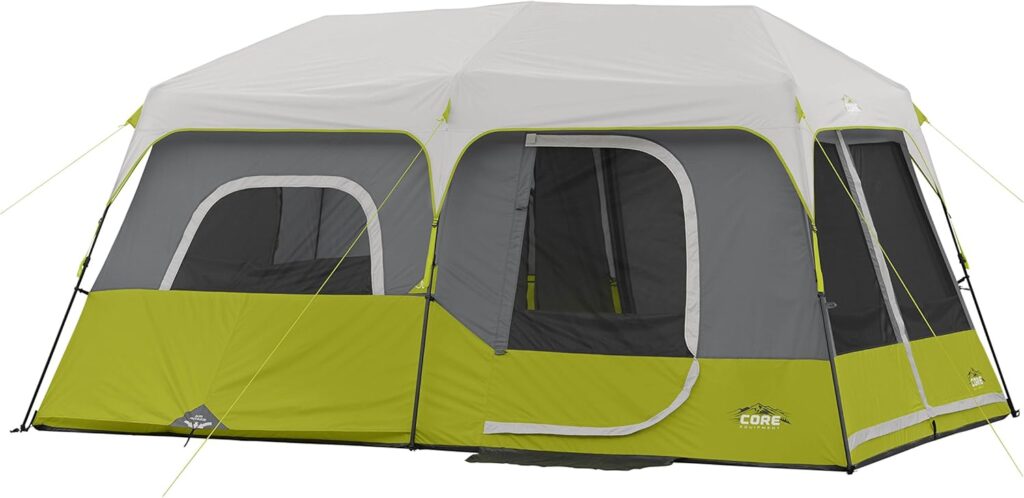
The Core Instant Cabin Tent measures 14 by 9 feet and can fit two queen size air beds with space for several campers and their gear. Its preattached poles lock into place for setup in two minutes or less while the rainfly, sealed seams and guylines help protect the interior. Lower vents and a mesh ceiling support airflow throughout the larger cabin.
This tent suits families and groups that want generous floor space, standing room and a quick campsite setup.
The Coleman offers a familiar setup and practical features for regular camping trips. The Night Cat is the easiest option to carry and can be pitched quickly by one person. The Core provides the fastest setup for a large group tent.
The Coleman combines good ventilation with a rainfly and a frame built for windy conditions. The Night Cat offers the strongest waterproof rating and full rainfly coverage. The Core provides the most room but its larger shape may need careful staking in bad weather.
The Night Cat is the lightest and works best for two campers carrying their gear. The Coleman provides a useful balance of sleeping space and manageable packed weight. The Core holds the most people but is much heavier and better suited to car camping.
Choose enough space for every camper plus additional room for bags, beds and equipment.
Most tents are water resistant rather than completely waterproof, so proper staking and rainfly use are important.
A lightweight two person tent with compact poles and a full rainfly works well for most short backpacking trips.
Yes, instant tents use attached poles that can reduce setup time to just a few minutes.
Keep vents open and avoid pressing sleeping bags or equipment against the tent walls.
Consider sleeping capacity, headroom and whether extra space is needed for bags or air beds. Vestibules and storage pockets help keep gear away from the sleeping area. Rainflies, sealed seams and sturdy poles are important when conditions may change.
Instant tents save time through preattached poles while traditional dome tents may require more assembly. Multiple doors and large openings make it easier for campers to enter and organize their gear. Good ventilation can also reduce heat and condensation during the night.
Smaller tents usually provide good value for couples and occasional trips. Mid size tents offer more flexibility for small families without becoming difficult to transport. Large cabin tents are most worthwhile when the extra capacity will be used regularly.