
Best 55-Inch Home Theater TVs in 2026: OLED vs Neo QLED vs Mini-LED

This post may contain affiliate links. We may earn a small commission at no extra cost to you.
Looking for the best 55-inch home theater TV in 2026? Not all premium 4K panels deliver the same contrast control, HDR impact or motion handling. A true home theater TV should reproduce deep blacks, maintain brightness in dynamic scenes and support modern formats like Dolby Vision or advanced HDR. We compared three high performance options: the LG 55-Inch OLED C5 for pixel level black precision, the Samsung 55-Inch Neo QLED QN70F for controlled Mini-LED contrast and AI processing, and the Hisense 55-Inch U7 Mini-LED for extreme brightness and gaming forward performance. If you want a cinematic experience that feels intentional rather than just large, panel technology and processing matter more than branding alone.

3 top rated 55-inch 4K TVs designed for cinematic contrast, high brightness and enthusiast level performance

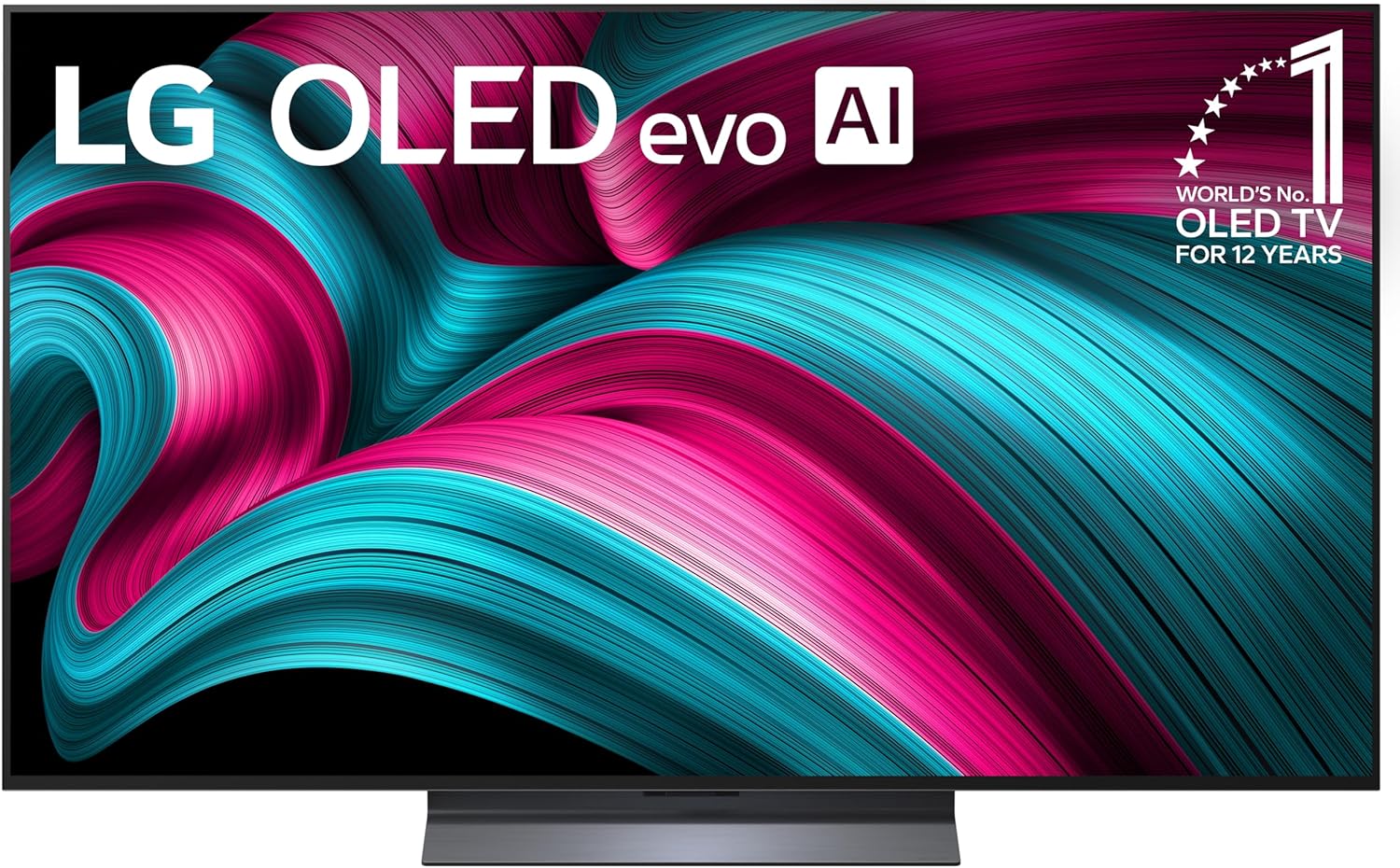
LG 55-Inch Class OLED evo C5

The LG OLED C5 uses self-lit OLED pixels to produce perfect black levels and precise contrast without backlight blooming. Its Brightness Booster enhances HDR highlights while maintaining shadow detail. Dolby Vision, Dolby Atmos and Filmmaker Mode support accurate cinematic playback.
This model suits enthusiasts who prioritize contrast depth and reference style image fidelity. In dark room viewing, its pixel level control creates a more immersive and theater like presentation.

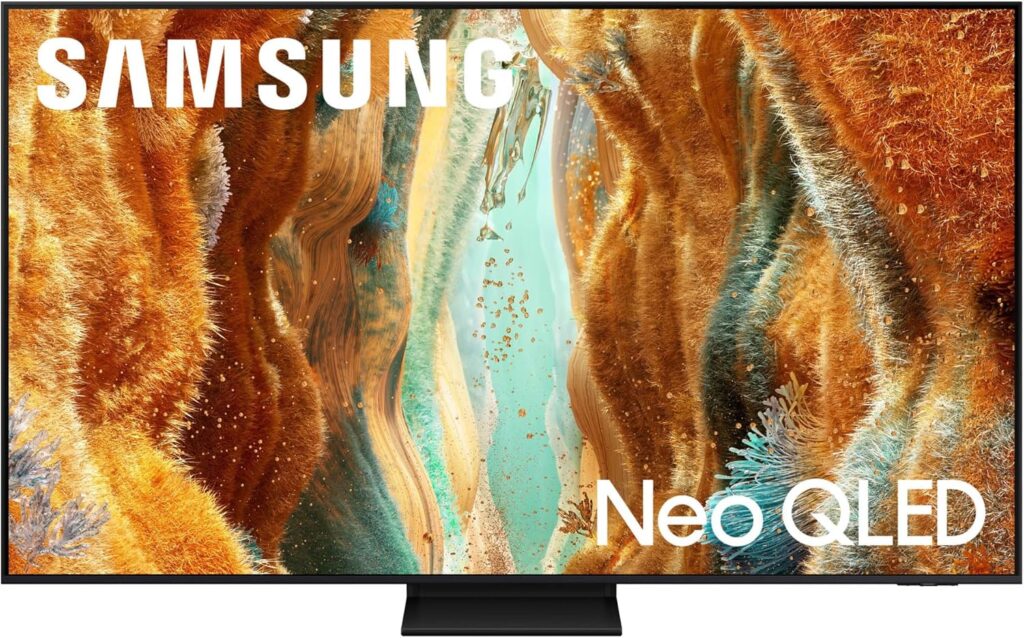
Samsung 55-Inch Neo QLED QN70F

The Samsung QN70F uses Mini-LED backlighting with Quantum Matrix control for refined contrast and strong peak brightness. The NQ4 AI Gen2 processor enhances upscaling and motion clarity, while 4K 144Hz support benefits sports and gaming content.
This TV works well for viewers who want bright HDR performance combined with advanced processing. It balances high luminance with controlled dimming for versatile home theater setups.

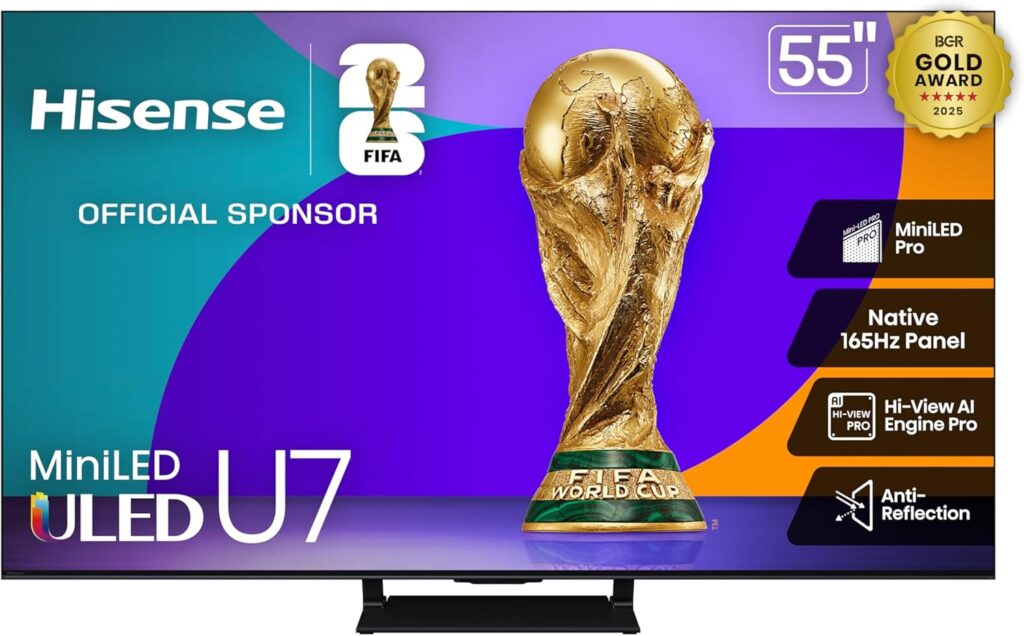
Hisense 55-Inch U7 Mini-LED

The Hisense U7 features Mini-LED backlighting with high peak brightness and extensive local dimming zones. It supports Dolby Vision, HDR10+ and IMAX Enhanced, along with high refresh rate gaming features up to 165Hz. Anti reflection coating improves visibility in brighter rooms.
This option suits enthusiasts who want aggressive HDR brightness and gaming responsiveness. It delivers strong dynamic range and feature density at a competitive performance tier.

Quick Comparison

  • Contrast & Black Levels

    Contrast & Black Levels

    LG OLED delivers pixel level black with no backlight blooming. Samsung and Hisense rely on Mini-LED dimming zones for contrast control. OLED maintains the most consistent shadow precision in dark room viewing.

  • Brightness & HDR Impact

    Brightness & HDR Impact

    Hisense pushes the highest peak brightness levels for intense HDR highlights. Samsung provides strong controlled luminance with refined processing. LG focuses more on contrast depth than extreme brightness output.

  • Motion & Gaming Performance

    Motion & Gaming Performance

    Hisense supports up to 165Hz refresh rates for fast gaming response. Samsung offers 4K 144Hz with advanced motion handling. LG balances smooth motion with low response time and full HDMI 2.1 support.

FAQ

Is OLED better than Mini-LED for home theater?

OLED offers deeper blacks, while Mini-LED provides higher brightness.

Are these suitable for gaming consoles?

Yes. All three include HDMI 2.1 and high refresh rate support.

Which performs best in bright rooms?

Mini-LED models typically handle bright environments better.

Do they support Dolby Vision?

LG and Hisense support Dolby Vision. Samsung focuses on HDR10+.

Is 55 inches large enough for home theater?

For most living rooms, 55 inches provides strong immersion at normal seating distances.

Important Considerations

  • Features & Functionality

    Features & Functionality

    If cinematic black depth is your priority, OLED technology offers unmatched pixel level control. If you watch in brighter rooms, Mini-LED models provide stronger peak brightness and glare resistance. All three support advanced HDR formats and HDMI 2.1 for modern consoles.

  • Ease of Setup & Smart Platform

    Ease of Setup & Smart Platform

    Each TV includes a built-in smart platform with voice assistant compatibility. Samsung integrates tightly with its ecosystem, LG uses webOS for streamlined navigation and Hisense runs Google TV for app versatility. Setup is straightforward with multiple HDMI inputs for theater equipment.

  • Price & Value

    Price & Value

    LG sits in the premium performance tier for contrast focused enthusiasts. Samsung positions itself slightly below flagship levels while maintaining advanced Mini-LED control. Hisense offers high brightness and gaming features at a more aggressive value tier.

Editor’s Pick

LG 55-Inch OLED evo C5